In this article
The growing evolution of Docker, crowned by an IBM Research study revealing its significant advantages over KVM hypervisors, clearly demonstrates this transformation: containers can offer better resource utilization and greater flexibility in the face of virtual machines.
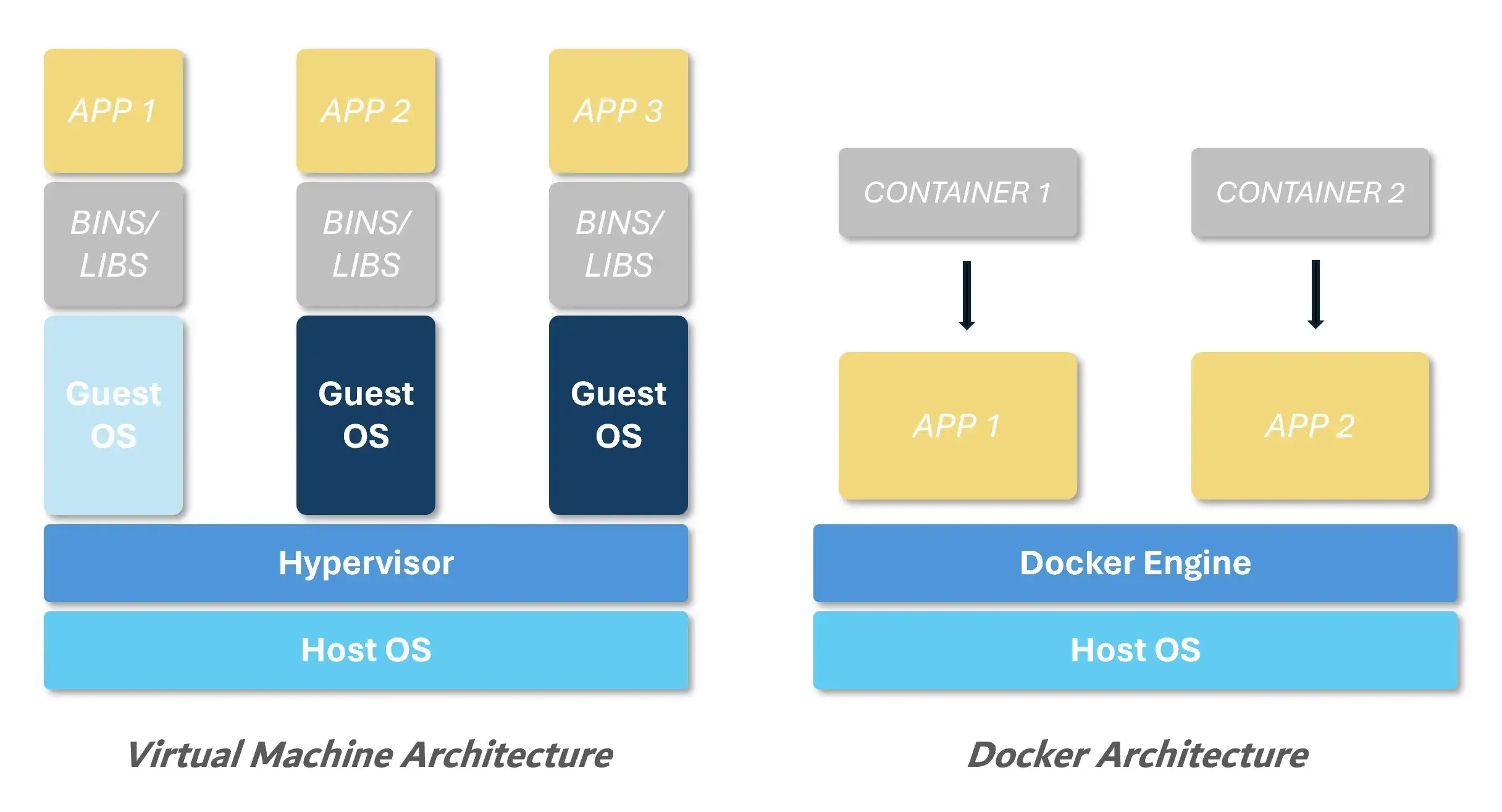
BNP Paribas' decision to make containers the de facto standard for its developments and application migrations is a perfect example. This strategy, revealed in a recent article is a good illustration of this transition, from traditional virtualization to containerized solutions. By reducing start-up loads (no OS to boot) and eliminating the need to configure separate operating systems for each application, containerizing applications to group together several individual micro-services makes perfect sense.
BNP Paribas has clearly identified containers, orchestrated by Kubernetes, as key levers for increasing efficiency and reducing operational costs, while improving the resilience and adaptability of its services.
A fitting transition, especially when you consider the advantages offered today by NTi, Aumerial's new proposition for IBM i owners. Full integration with .NET, facilitating communication with the AS400, whatever the architecture used.
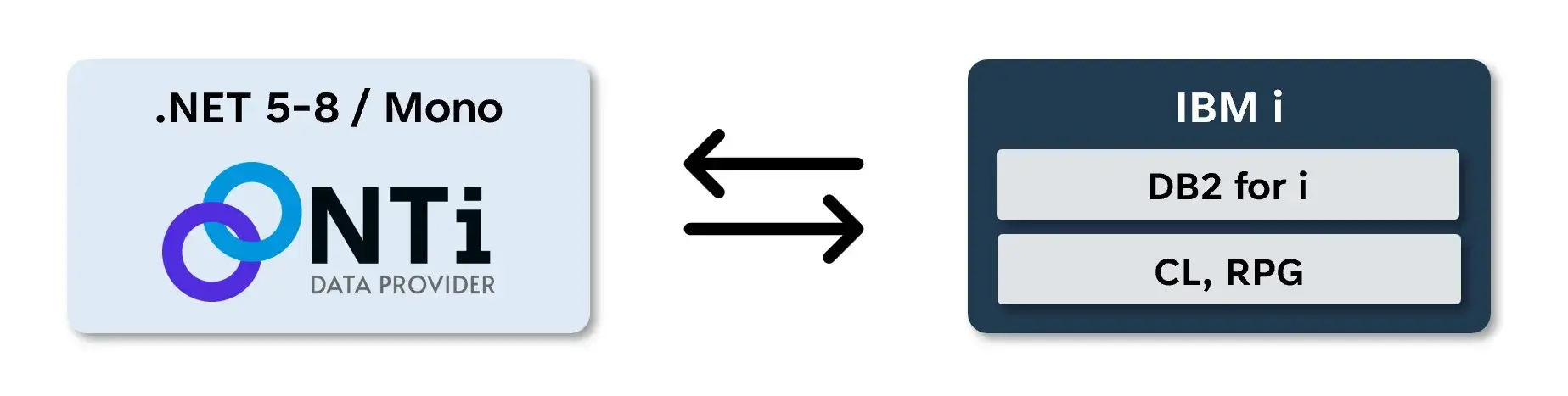
By choosing .NET and NTi, companies can look forward to simplifying the process of adapting their IBM i systems to new technological realities, without the hassle usually associated with moving applications from one infrastructure to another. Applications run consistently and reliably, whatever the platform, with fewer nasty surprises when moving from development to production, and greater ease of administration.
This makes it possible to run .NET / IBM i workloads on more than just traditional virtual machines. This synergy ensures that applications developed with NTi from .NET benefit from faster delivery, optimized management and access to resources, and unrivalled adaptability across different development and production environments, regardless of cloud platforms or underlying infrastructure.
All this is backed up by a high level of security, since each container operates independently of the others, limiting the risk of vulnerabilities spreading. With an ecosystem as complete and powerful as .NET, it's possible for anyone to exploit almost any development possibility, with unprecedented capacity for innovation and accessibility.
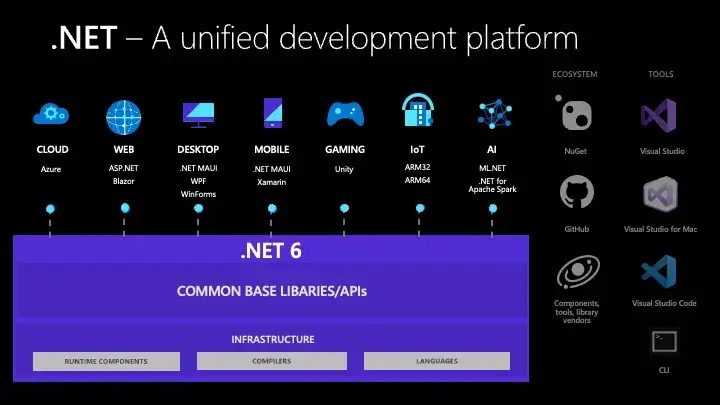
And in a context where Docker has already demonstrated its effectiveness, and where companies are looking for ways to modernize their application assets without risk, NTi presents itself as the solution of the future, aligned with current development best practices.
It's a vision shared and supported by technology giants such as IBM, which has clearly demonstrated its confidence in the potential of containerization and open source technologies, with the strategic acquisition of RED HAT, which offers a very broad range of products and services, particularly in cloud computing. A choice that reinforces the idea that containerization is far from being a passing trend, but rather the foundation of a new cycle of application development, deployment and management.
NTi Data Provider is not just an option, but a strategic tool. Imagine a world where your data is not just accessible, but truly integrated into your daily workflow and fully exploited, transforming every aspect of your business, and giving you a significant competitive edge.
It was precisely this vision that guided our R&D team during development.
So why settle for the status quo? What you're doing today may still work, but there will come a time when it may not. And since containers are driving the next generation of innovation, would you rather get on board or stay docked?
.NET developer